
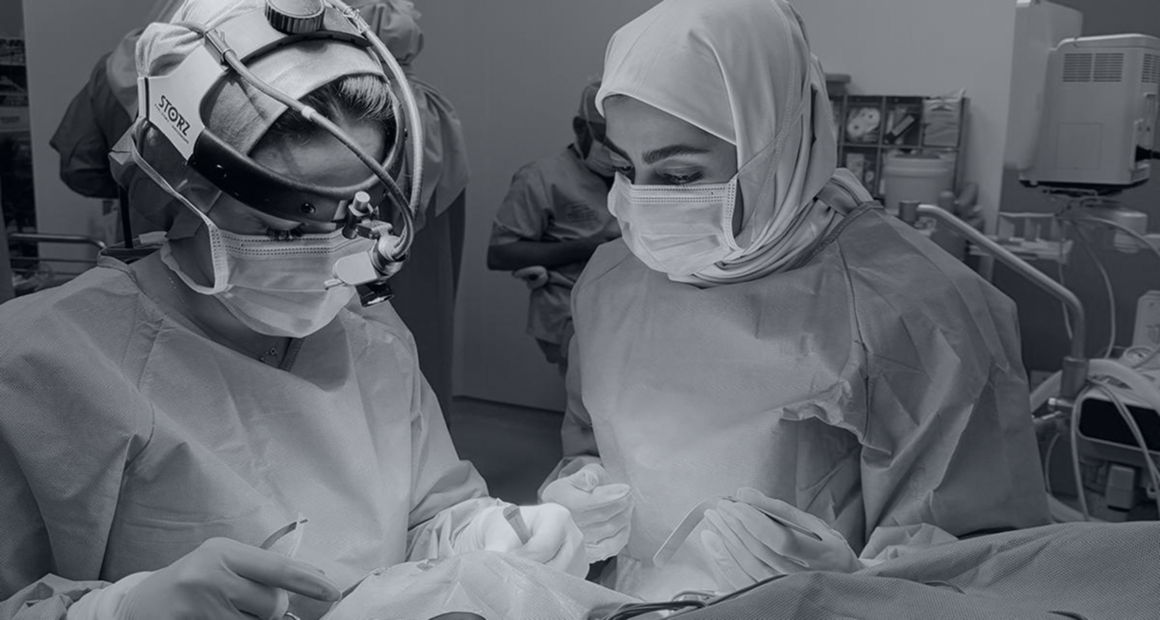
Recovery After Endonasal DCR Surgery
Rest: Take it easy for a few days and avoid strenuous activities.
Nasal Care: Follow instructions for nasal irrigation to keep the surgical area clean.
Eye Drops and Nasal Sprays: Use prescribed medications to prevent infection and reduce inflammation.
Follow-Up Appointments: Attend all follow-up visits to monitor healing and remove stents if placed.
Avoid Nose Blowing: Refrain from blowing your nose for at least one week after surgery to prevent disrupting the surgical site.
Potential Risks and Complications – Endonasal DCR
While endonasal DCR surgery is generally safe, potential risks may include:
Patients are advised to discuss any concerns with Dr. Fatima before the procedure.
Benefits of Endonasal DCR Surgery
Treatment of Watery Eye Dr. Fatima treats all causes of watery eyes. For patients with a blocked tear duct (nasolacrimal duct obstruction), she performs scar-sparing tear drainage surgery via the nose (endonasal DCR surgery) whenever possible.
Available Procedures:
Endonasal Dacryocystorhinostomy (Endonasal DCR) – Scarless tear drainage repair
External Dacryocystorhinostomy (External DCR) – Traditional tear drainage surgery
Syringing and Probing for Congenital Nasolacrimal Duct Obstruction – With or without silicone intubation
Lacrimal Bypass Surgery – Lester Jones Tube insertion


What is Endonasal DCR Surgery?
Endonasal Dacryocystorhinostomy (DCR) is a surgical procedure used to treat blocked tear ducts.
Who Needs Endonasal DCR Surgery?
Patients with chronic tearing (epiphora) or recurrent eye infections due to a blocked nasolacrimal duct may benefit from this surgery.
Dr. Fatima will determine if this procedure is right for you based on your symptoms and diagnostic tests.
Preparing for Surgery
Pre-Operative Assessment: A thorough eye examination will be conducted to evaluate your condition.
Medical History: Inform your surgeon about any medications you are taking and your medical history.
Pre-Surgery Instructions: Follow all guidelines provided by your healthcare team, such as fasting before surgery if instructed.
The Surgery Procedure – Endonasal DCR
Anesthesia: General anesthesia is used for endoscopic DCR surgery.
Endoscopic Access: A small endoscope is inserted into the nasal passage to provide visual access to the tear duct system.
Creating a New Pathway: A new drainage passage is created between the lacrimal sac and the nasal cavity.
Stenting: Small silicone tubes are temporarily placed to keep the new passage open during healing.