
Loading

Orbital & Thyroid Eye Disease

Treatment of Orbital & Thyroid Eye Disease
Dr. Fatima treats all cases of thyroid-related eye disease. For patients with bulging eyes, double vision, or eyelid retraction, she provides comprehensive care including medications, radiotherapy, or surgery to improve eye appearance, comfort, and protect vision.

What is Orbital & Thyroid Eye Disease?
Orbital and thyroid eye disease (TED) is an autoimmune condition where the tissues around the eyes become inflamed and swollen. It is often associated with thyroid disorders, such as Graves’ disease, and can affect eye appearance, movement, and vision.

Who Needs Treatment?

Patients with:

  • Protruding or bulging eyes (proptosis)
  • Double vision (diplopia)
  • Eyelid retraction or swelling
  • Discomfort, redness, or vision changes 

 Your ophthalmologist or oculoplastic surgeon will determine the best treatment based on your symptoms and diagnostic tests.


Preparing for Treatment

  1. Pre-Treatment Assessment: Full eye examination and imaging studies.

  2. Medical History: Inform your doctor of medications, thyroid status, and general health.

  3. Pre-Treatment Instructions: Follow guidelines provided by your healthcare team, including stopping certain medications if necessary.
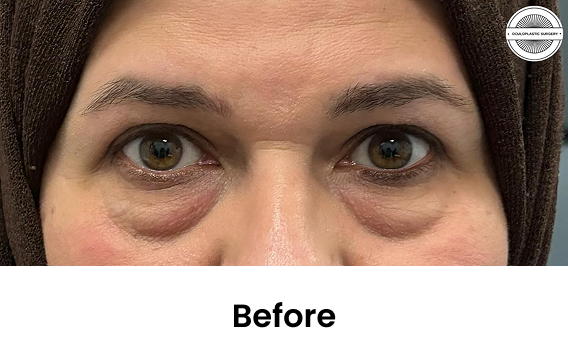
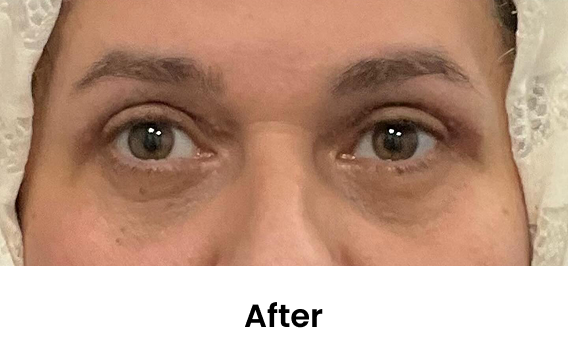
Before
After

Treatment Procedures

Treatment depends on the severity:

  • Medications: Anti-inflammatory drugs, steroids, or thyroid management.
  • Radiotherapy: In selected cases to reduce inflammation.

Surgery:

  • Orbital decompression (to relieve pressure and improve eye position)
  • Eyelid surgery (to correct retraction)
  • Strabismus surgery (to correct double vision)

Recovery After Treatment

  • Rest: Avoid strenuous activity during recovery.
  • Eye Care: Use prescribed eye drops or ointments.  Follow-Up: Regular visits to monitor eye pressure, vision, and healing.
  • Report Symptoms: Contact your doctor if you experience sudden vision changes or pain.

Potential Risks and Complications

  • Infection
  • Bleeding
  • Vision changes or temporary double vision
  • Scarring or eyelid misalignment
  • Recurrence of symptoms

Benefits of Treatment

  • Improves eye appearance and comfort
  • Reduces double vision
  • Prevents damage to vision
  • Minimally invasive options available depending on procedure